Watch “Dentist Pasadena | Pasadena Dental Office and Orthodontics | Pasadena, CA” on YouTube
Listen on SoundCloud: Finding a Dentist Pasadena Residents Can Talk With About Everyday Care
Searching for emergency dentist pasadena care
A dental problem can become hard to ignore while you're eating, working, or trying to sleep. If you're searching for emergency dentist pasadena, the first useful step is to explain your symptoms to the office. Tell us what happened, which area is affected, and whether the problem is getting worse.
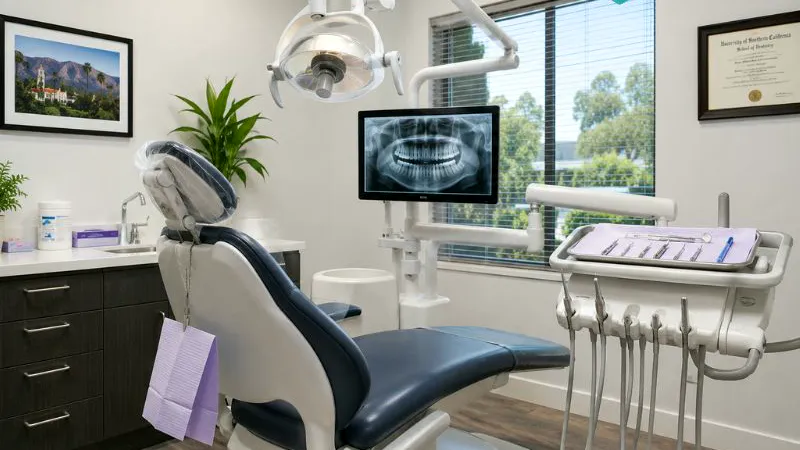
Pasadena Dental Office and Orthodontics offers emergency dental service alongside restorative dental care. An urgent visit is intended to assess the problem and determine an appropriate next step. Calling ahead lets you check appointment availability and find out how to arrange care during office hours.
Reasons to contact an emergency dentist in Pasadena
Pain isn't the only reason to ask for an urgent assessment. Damage to a tooth or an existing restoration can also affect your ability to eat or close your mouth comfortably. Even if the affected area looks small, describe the change instead of assuming it can wait.
When you call, mention concerns such as:
- Tooth pain that's persistent or disrupting daily activities.
- A cracked or broken tooth after biting or an injury.
- A crown or filling that has come loose.
- Swelling near a tooth or along the gums.
- Discomfort when biting that appeared suddenly.
- A permanent tooth that's been knocked out.
This list doesn't establish a diagnosis or determine how quickly every situation needs treatment. Give the office a clear description so you can ask about the appropriate next step for your circumstances.
How an urgent dental assessment works
The process begins with a discussion of the problem. Be ready to share when symptoms started, whether there was an injury, and any treatment the tooth has had before. Your health history and current medications also matter when planning dental care.
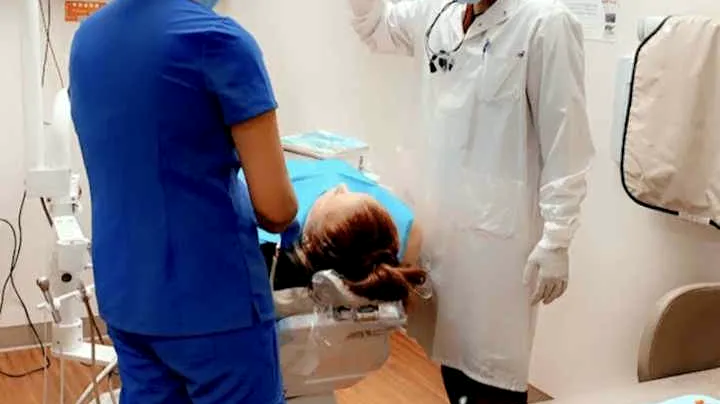
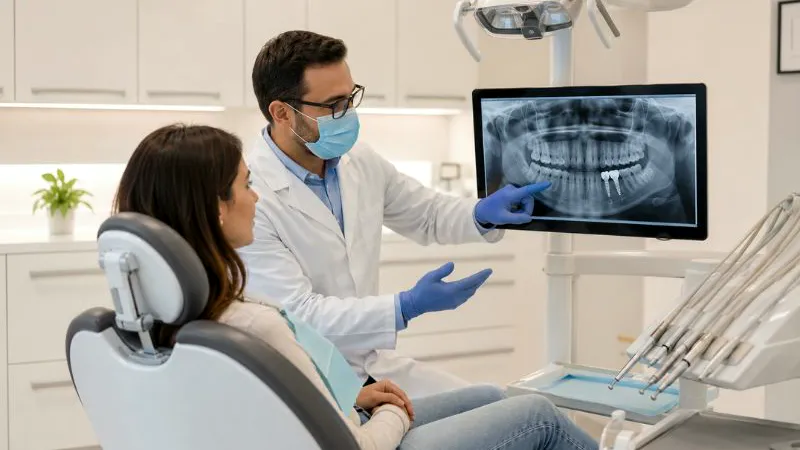
The dentist then examines the affected area. Imaging may be recommended to check parts of the tooth or surrounding structures that aren't visible during a basic examination. The goal is to understand the source of the concern before choosing treatment.
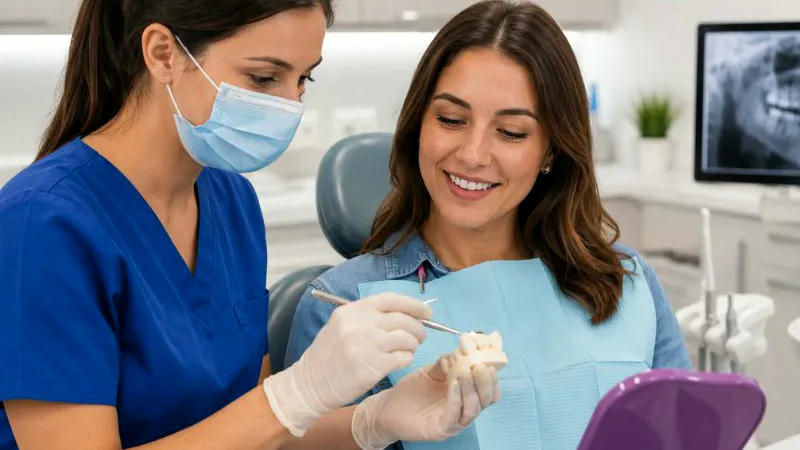
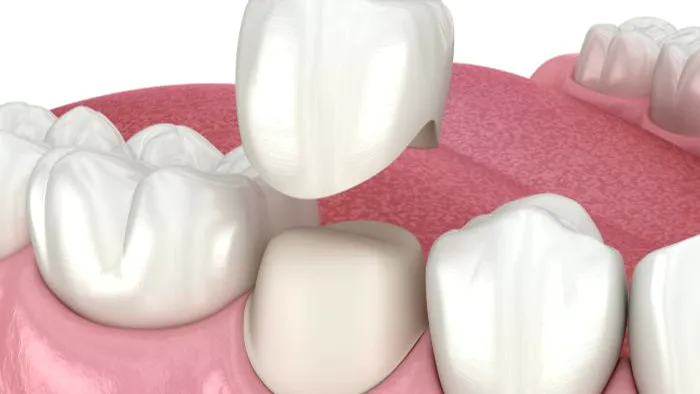
After the assessment, the dentist explains the findings and discusses available care. Depending on the diagnosis, that conversation may involve a filling or crown, root canal treatment, extraction, or another appropriate approach. Our practice provides crowns, root canals, and tooth extractions, but an examination is needed to determine which option fits.
Some problems require follow-up appointments. Ask what the initial visit will address, what remains to be completed, and what instructions to follow afterward. You should also understand whom to contact if your symptoms change before the next appointment.
Arranging emergency dentist pasadena appointments locally
Our Pasadena office is open Monday through Friday from 9:00 a.m. to 6:00 p.m. The practice is closed on weekends. Call before coming in to ask about urgent appointment openings; the listed hours don't establish same-day availability or after-hours coverage.
If you have a damaged crown, filling, or tooth, explain which part is affected and whether you can chew comfortably. Clear details help the office understand your reason for calling and discuss scheduling without guessing about your condition.
For an urgent dental appointment inquiry, contact Pasadena Dental Office and Orthodontics at +1626-219-7180.
Emergency Dentist Pasadena: Common Questions
Can I get a same-day emergency dental appointment?
Call the office to describe your concern and check current availability. A same-day opening isn't guaranteed, so confirm an appointment before traveling to the practice.
Will an emergency visit always involve removing a tooth?
Treatment depends on what the examination shows and the condition of the tooth. The dentist can explain whether repair, root canal treatment, extraction, or another approach is appropriate.
What details should I give when calling about a dental emergency?
Explain where the problem is, when it began, and whether you have pain, swelling, or damage from an injury. Also mention any recent dental work involving that area.